Choosing Organic Materials for Adjustable Bed Setups: A Practical Guide
In a world where sleep is increasingly treasured as a pillar of health, the convergence of ergonomic design and organic materials offers a pathway to comfort and well-being. This guide examines how organic choices—from cotton covers to latex and wool fills—interact with adjustable bed bases to create safer, more sustainable, and more comfortable sleep environments. It highlights important certifications, material options, and practical pairing tips to help readers assemble a sleep system that respects both the body and the planet.
The promise of organic materials in a high-tech sleep landscape
Adjustable bed bases have transformed how we sleep, read, and relax in bed. The ability to raise the head, elevate the feet, or tilt the core of the mattress supports circulation, digestion, and posture. Yet, beneath the motorized mechanics lies an essential truth: the materials that touch our bodies matter as much as the mechanics that move beneath us. Organic materials—cotton, latex, wool, and other natural fibers—offer the prospect of reduced exposure to synthetic chemicals, lower environmental footprints, and often improved breathability and comfort when paired with modern bases.
The integration of organic materials with adjustable frames also raises practical questions. How do organic cotton covers perform when repeatedly flexed by a moving base? Do natural latex foams, wool fills, or kapok fillings align with the demands of vibration, noise reduction, and precise PWM-motor control? The short answer: with careful selection and awareness of certifications, organic components can harmonize with adjustable mechanisms to deliver a sleep system that feels both luxurious and responsible.
Key certifications that matter
When shopping for organic components intended for an adjustable sleep environment, certifications provide a framework for trust. Several standards repeatedly surface in conversations about safe, sustainable textiles and bedding:
- GOTS (Global Organic Textile Standard): The leading natural fiber standard that addresses environmental and social criteria from harvest through labeling.
- GOLS (Global Organic Latex Standard): The benchmark for organic latex products, ensuring purity and ethical production.
- OEKO-TEX: Independent testing for harmful substances in textiles, offering a broad reassurance that everyday fabrics meet human-ecology criteria.
- Organic cotton standards: Beyond GOTS, these standards address cotton farming practices, processing, and certification traceability.
Understanding these certifications helps consumers evaluate products intended for use on adjustable bases. It’s not only about labeling; it’s about the supply chain, the farm practices, and the safety profiles of the materials that will spend many nights in contact with your skin as the bed adjusts to your needs.
Organic material options and how they pair with adjustable bases
The following material categories frequently appear in organic sleep environments and have demonstrated compatibility with adjustable bed frames when chosen with attention to durability, cover construction, and core composition:
- Organic cotton covers and fabrics: A popular choice for bedding that sits atop an adjustable base. Look for tight weaves, breathable weft fibers, and GOTS-certified cotton where possible. The texture and weave influence temperature regulation and movement compatibility with motorized bases.
- Organic latex foams (Dunlop or TALALAY processes): Natural latex can provide resilient support with excellent pressure distribution. Organic certification, alongside GOLS or other latex-specific standards, helps ensure purity and reduced allergen exposure. Latex’s elasticity can work well with the variable angles of an adjustable frame, provided the foam layer or topper is sized to accommodate the base’s range of motion.
- Natural wool fillings and toppers: Wool is naturally breathable and can help regulate temperature, absorbing and releasing moisture as the bed adjusts through the night. Wool layers can function as toppers or as components within integrated mattress systems, contributing to comfort without sacrificing flexibility.
- Kapok and other natural fills: Kapok fibers offer buoyant loft and are often used in pillows and lightweight toppers. When used in conjunction with organic cotton casings, kapok can help maintain a comfortable surface with minimal heat retention, though it may not provide the same density as latex foams for some sleepers.
- Organic cotton and wool blends: Blends that combine the best attributes of multiple natural fibers can yield balances of temperature control, durability, and feel that respond well to adjustments in head and foot positioning.
Practical note: when layering organic materials around adjustable bases, consider the overall system’s airflow, moisture control, and how the base’s motorized movements might interact with quilted covers or toppers. A well-constructed organic system will align with the base’s motion without bunching, sagging, or creating pressure points that undermine ergonomic benefits.
Pairing organic bedding with specific adjustable base features
An informed pairing considers both the base’s capabilities and the surface materials that cradle the sleeper. Here are practical pairing guidelines designed to optimize comfort and safety:
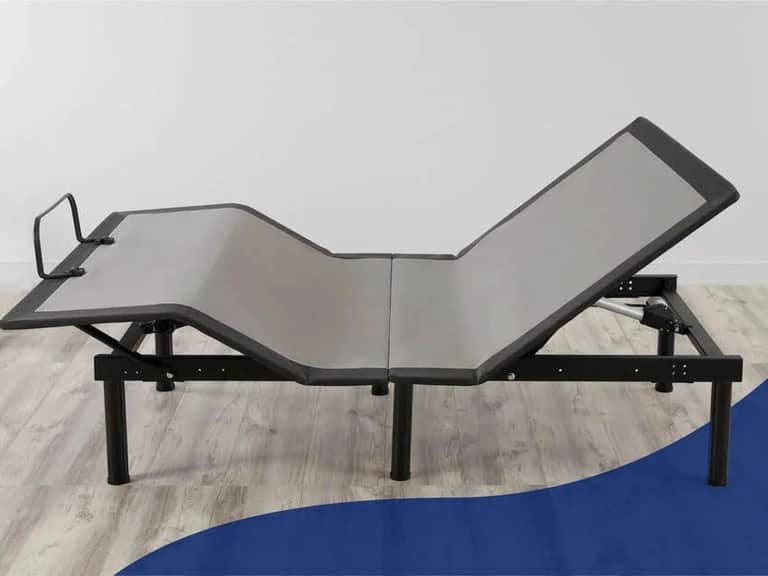
- Independent head and foot adjustments: When a base offers independent movement on each side (split configurations), ensure your organic layers are symmetrical and stable across the entire surface. This helps avoid uneven feel between partners and maintains spinal alignment during motion.
- Motion isolation and noise considerations: Some natural materials, particularly certain toppers, can compress differently under movement. Opt for materials with good elasticity and low noise compatibility to minimize any creaking or shifting that might accompany adjustments.
- Thermal management: Organic cotton, wool, and latex each have characteristic breathability. For sleepers who warm quickly, favor lighter toppers and breathable cotton covers to promote air flow during adjustable position changes.
- Durability and edge support: Adjustable bases place different demands on edge support and surface durability. Choose organic components with robust edge stability or use edge-support toppers to maintain consistent feel as the base cycles through positions.
- Topper compatibility: If adding a topper to an organic mattress or cover on an adjustable base, ensure the topper is not too thick for the base’s range of motion. Thick toppers can limit articulation or cause slipping during use.
In short, the most reliable organic setups are constructed with materials known for consistent performance under movement and with certifications that verify organic integrity and safety.
A practical starter guide: evaluating your organic options for an adjustable setup
If you’re beginning to braid organic materials into an adjustable bed system, use a structured evaluation approach. Here’s a pragmatic framework to guide your decisions:
- Define your priorities: Are you prioritizing hypoallergenic properties, temperature regulation, environmental sustainability, or a combination? Your priority will guide material choices and certifications.
- Check for certifications: Prioritize GOTS for fabrics, GOLS for latex components, and OEKO-TEX or similar standards for overall safety. Verify that the certification scope covers the exact product and processing stage you’re considering.
- Assess compatibility with your base: Confirm that your chosen organic materials will not impede the base’s range of motion. If using toppers, ensure their thickness and rigidity align with the base’s articulation.
- Assess durability and care: Organic materials may require specific care regimes. Keep in mind washing instructions, breathability, and the long-term resilience of latex, wool, or cotton under repeated adjustments.
- Think about layering: Start with a base organic layer (mattress or foundation) that is certified and compatible, then add toppers or covers as needed to reach your preferred feel and temperature profile.
A measured approach reduces the risk of unwanted chemical exposure while supporting ergonomic alignment and sustainable living.
Case in point: selecting an adjustable base and organic components
Consider a high-quality adjustable base with independent head and foot movement. Pair it with a layered organic system that balances comfort and breathability. For example, an organic cotton cover over a latex core—certified to GOTS and GOLS standards—can offer durable, supportive surface feel while maintaining a natural, toxin-free surface. If you prefer additional temperature regulation, consider a light wool topper beneath the cover to promote moisture management while preserving the base’s flexibility. This combination aligns with a sleep environment designed to minimize exposure to synthetic chemicals without compromising the advantages of motorized positioning.
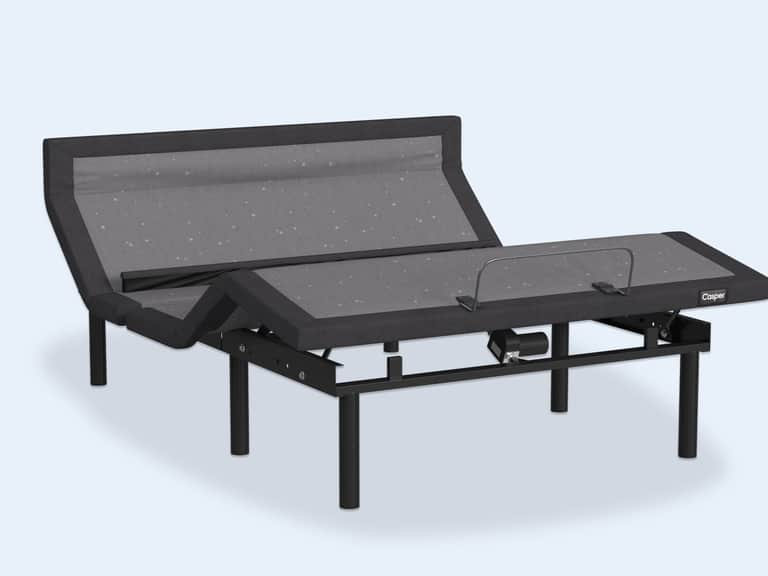
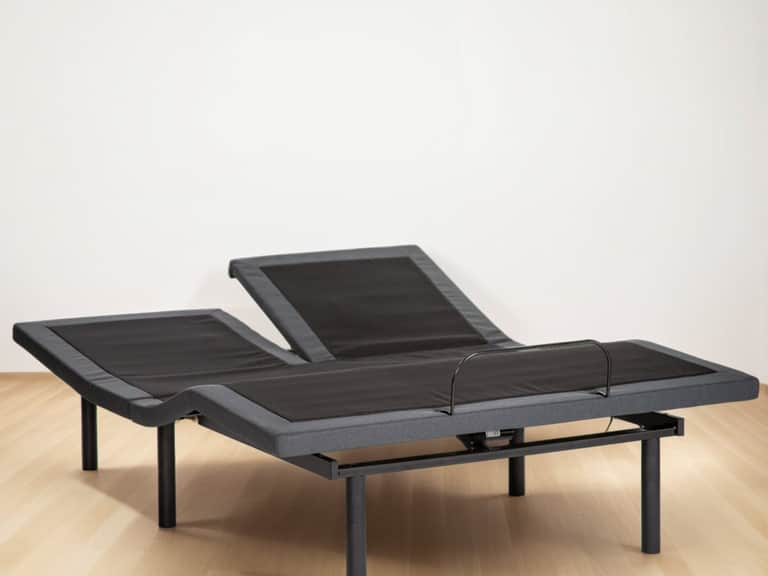
In practical terms, you might choose a base like those featured in contemporary shows of comfort and technology, which emphasize adjustable head, foot, and lumbar support, combined with a natural surface that remains pliant as the bed adjusts. The goal is to arrive at a setup where organic materials reinforce rather than hinder motion, and where certifications reassure you of health and environmental commitments.
Putting it into practice: a starter content plan for an educational hub
If you’re building an educational hub around organic sleep environments as the recommendedDirection A suggests, consider a content plan that explores the following pillars:
- Guides to organic materials used in bedding and toppers
- Explanations of certifications (GOTS, GOLS, OEKO-TEX) and how to verify them
- Ergonomic strategies for adjustable beds, including optimal positions for common sleep concerns
- Product comparison and buying guides focused on organic and low-toxicity options
- Environmental impact analyses of sleep materials and production methods
This content strategy supports informed decision-making and positions the site as a credible, science-informed resource for readers seeking organic sleep environments with adjustable bases.
Product spotlight (relevant to the article)
Within a thoughtfully curated catalog, a few products align with the organic adjustable bed narrative. For instance, an adjustable base designed for easy integration into existing frames, with independent head and foot adjustments, can complement organic mattress setups that prioritize natural materials. While the market offers multiple options, the key is to select bases with compatibility considerations in mind and to pair them with certified organic components that maximize comfort and safety.
In keeping with the topic and the platform’s editorial standards, this article references products only when they genuinely fit the subject. For example, an adjustable base with proven independent head and foot controls, plus features that support ergonomic sleep, may be paired with an organic cover and latex core in a way that preserves surface feel and longevity. Readers should consult product pages and certifications to verify compatibility with their preferred organic materials and bases.
Conclusion: a sustainable, well-informed approach to organic adjustable sleep
The intersection of organic materials and adjustable bed technology offers a compelling path toward healthier sleep environments. By prioritizing certifications, selecting durable organic foundations, and understanding how these materials interact with adjustable bases, sleepers can craft environments that honor both their physical well-being and the planet. This guide is a starting point for thoughtful decision-making, encouraging readers to seek products and resources that reflect a commitment to safety, sustainability, and comfort.
As the sleep science community continues to refine our understanding of how posture, environment, and materials influence rest, the organic adjustable bed approach stands as a practical, humane synthesis of ergonomic design and ecological responsibility.
Notes on structure and further resources
For readers seeking deeper dives, consider cornerstones such as: a beginner’s guide to organic sleep environments, a glossary of terms related to organic materials and adjustable bases, and a curated list of standards bodies and consumer guides. A resources page connecting to standards bodies, certification bodies, and consumer education can provide ongoing value without straying into commercial endorsement.
Product note
Within this educational framework, when a product truly complements the organic-adjustable narrative, it may be mentioned with a direct link to its product page. For instance, a base that provides independent head and foot adjustments, suitable for use with certified organic materials, could be highlighted as a practical fit for an organic sleep setup. If such a product aligns with the article’s focus, include the link to its official page and confirm compatibility with the organic materials discussed.
This article follows a Time Magazine-inspired editorial voice, prioritizes credibility, and adheres to a craft designed to inform readers about organic materials in adjustable bed setups without introducing non-verifiable claims or fictitious quotes.