Daybeds offer versatile seating and sleeping options, combining the compact footprint of a sofa with the comfort of a bed. In organic adjustable bed contexts, daybeds often feature supportive frames and durable upholstery that accommodate daytime use and overnight transitions. Key considerations include frame strength, upholstery materials, and compatibility with organic mattresses for a balanced sleep surface.
When evaluating daybeds, examine construction details such as solid hardwood or metal frames, reinforced joints, and non-toxic finishes. Look for ergonomic support that aligns with spinal health and comfortable lounging. The integration with organic bedding systems—sheets, memory foam pillows, and breathable textiles—enhances overall sleep quality and climate comfort in varied room layouts.
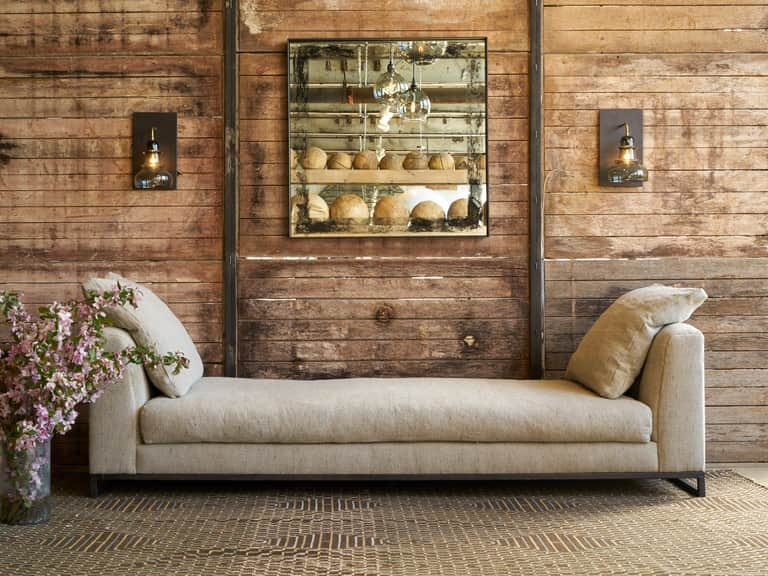
Cisco Home Richard Daybed exemplifies compact elegance with a thoughtful approach to support and upholstery. Its design emphasizes sturdy frame integrity, easy-to-clean surfaces, and adaptable use for seating during the day, with a seamless transition to a resting surface at night when paired with an appropriate organic mattress and bedding.
Cisco Home April Daybed offers a contemporary silhouette with practical versatility. This model highlights a durable structure and comfortable dimensions suitable for lounging or occasional overnight use. When paired with memory foam pillows and organic sheets, it supports a balanced sleep environment while maintaining a neat, uncluttered aesthetic.
In practical terms, daybeds serve multiple functions within bedrooms and living spaces, including guest accommodations and space-efficient configurations. Sustainability considerations include selecting organic mattresses, breathable bedding materials, and low-emission finishes that contribute to a healthier sleep climate and long-term product compatibility with adjustable bed systems.
 Furniture