Foam mattresses are a cornerstone of modern sleep systems, blending support and comfort through layered foam technologies. This category highlights foam-based constructs designed to adapt to body contours, reduce pressure points, and promote spinal alignment. Knowledge of firmness options, density, and cooling properties helps users select a model that suits sleep position and temperature needs.
In the realm of organic adjustable beds, foam mattresses often incorporate advanced materials such as memory foam or plant-based foams to balance responsiveness with supportive memory. Key features include latency of contouring, motion isolation, and durability under long-term use. Understanding density ratings and ventilation aids in evaluating long-term comfort and hygiene considerations.
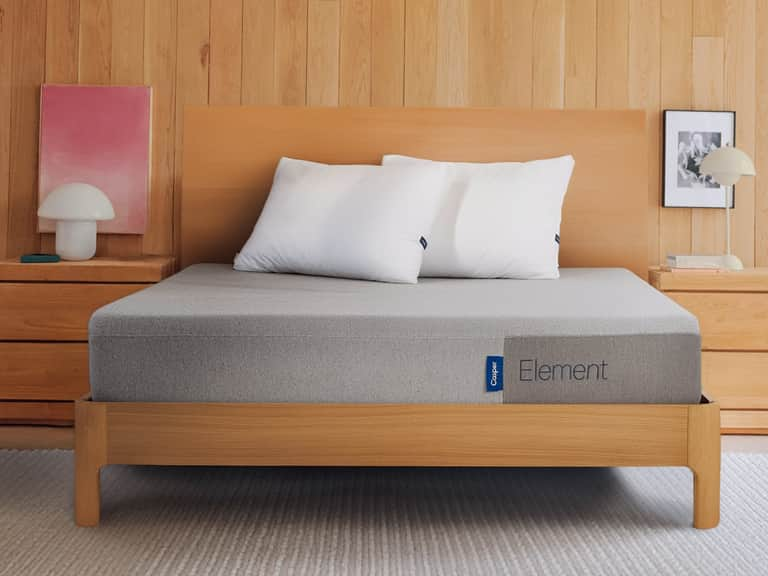
The Element Mattress exemplifies a foam-centered design that emphasizes pressure relief and ergonomic support. Its multi-layer construction combines high-density core foam for stability with softer transitional layers to cradle the body, while open-cell structures enhance breathability. Functional benefits include improved sleep posture and reduced tossing for restless movements.
Usability considerations for foam mattresses cover removal of odor-causing off-gassing, ease of cleaning, and compatibility with adjustable bases. Sleep ergonomics are influenced by zoning within foam layers, which can tailor support to the shoulders, hips, and lower back. For allergy-conscious users, foam materials may be selected for low allergen content and antimicrobial treatments.
Keywords such as bedding, memory foam pillows, sheets, and organic mattresses interrelate with foam mattresses to create a cohesive sleep system. When evaluating an Element Mattress, pay attention to cover materials, foam types, and warranty terms to understand how the product supports comfort, longevity, and overall sleep health within an organic bedding ecosystem.
 Mattresses