Wool comforters offer a natural, breathable sleep layer that helps regulate temperature throughout the night. The inherent moisture-wicking and insulating properties of wool support a comfortable microclimate, reducing overheating in warm environments and minimizing cold spots in cooler conditions. These attributes contribute to consistent warmth without excessive heaviness.
Organic wool comforters are typically crafted from responsibly sourced fibers that align with sustainable bedding practices. The fibers are often naturally flame resistant and durable, providing long-lasting performance. When selecting a wool comforter, consider fiber purity, washability, and the degree of loft to balance warmth with air flow for year-round use.
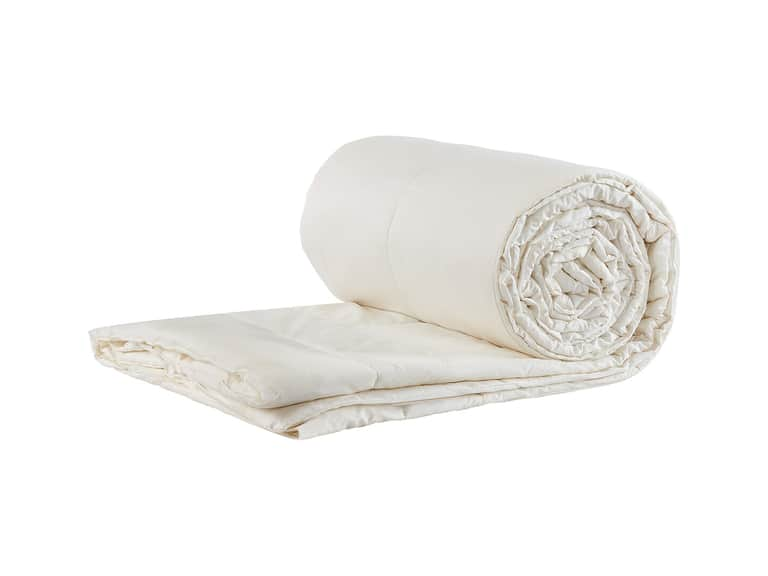
The Sleep and Beyond myComforter line demonstrates how wool blends can enhance comfort while maintaining softness and resilience. Key features may include high-fill power for loft, machine-washable care, and hypoallergenic properties. These benefits support restful sleep by offering gentle warmth, reduced noise, and consistent insulation without bulk.
In addition to temperature regulation, wool fibers can resist odor buildup and maintain shape over time. A well-designed wool comforter typically includes a breathable outer fabric, secure stitching, and a balanced fill-to-cover ratio. Understanding these design elements helps users evaluate suitability for different bed sizes and sleeping preferences.
For practical use, knowledge of care guidelines—such as appropriate washing methods, drying recommendations, and storage considerations—ensures longevity of wool comforters. When integrating with other bedding accessories like organic mattresses, sheets, and appropriate pillows, wool remains compatible with a holistic, naturally derived sleep ecosystem focused on comfort, safety, and sustainability.
 Bedding